
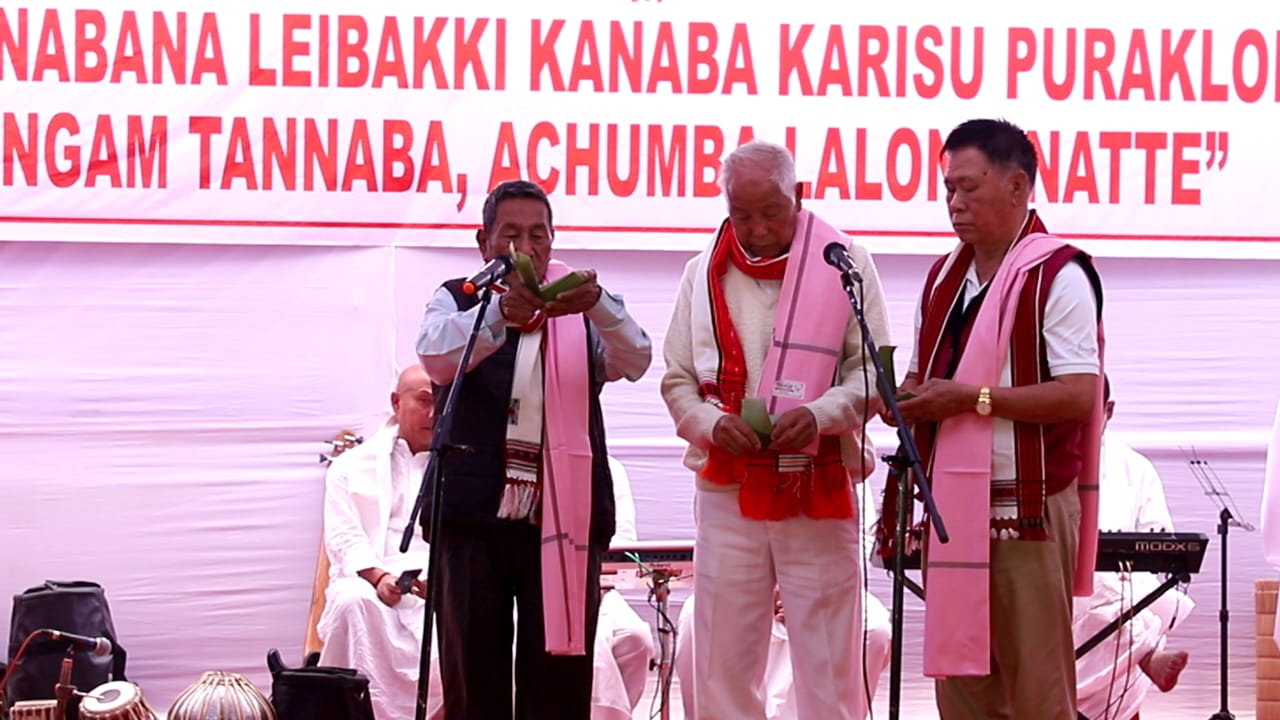
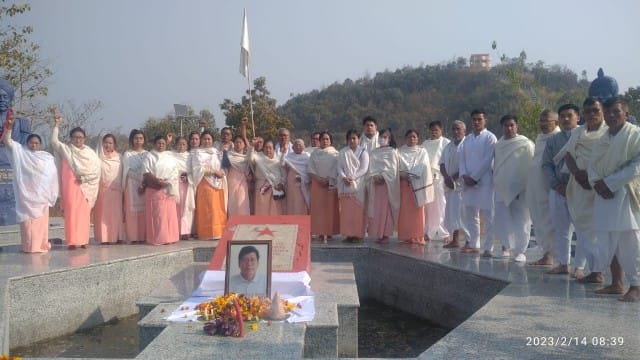
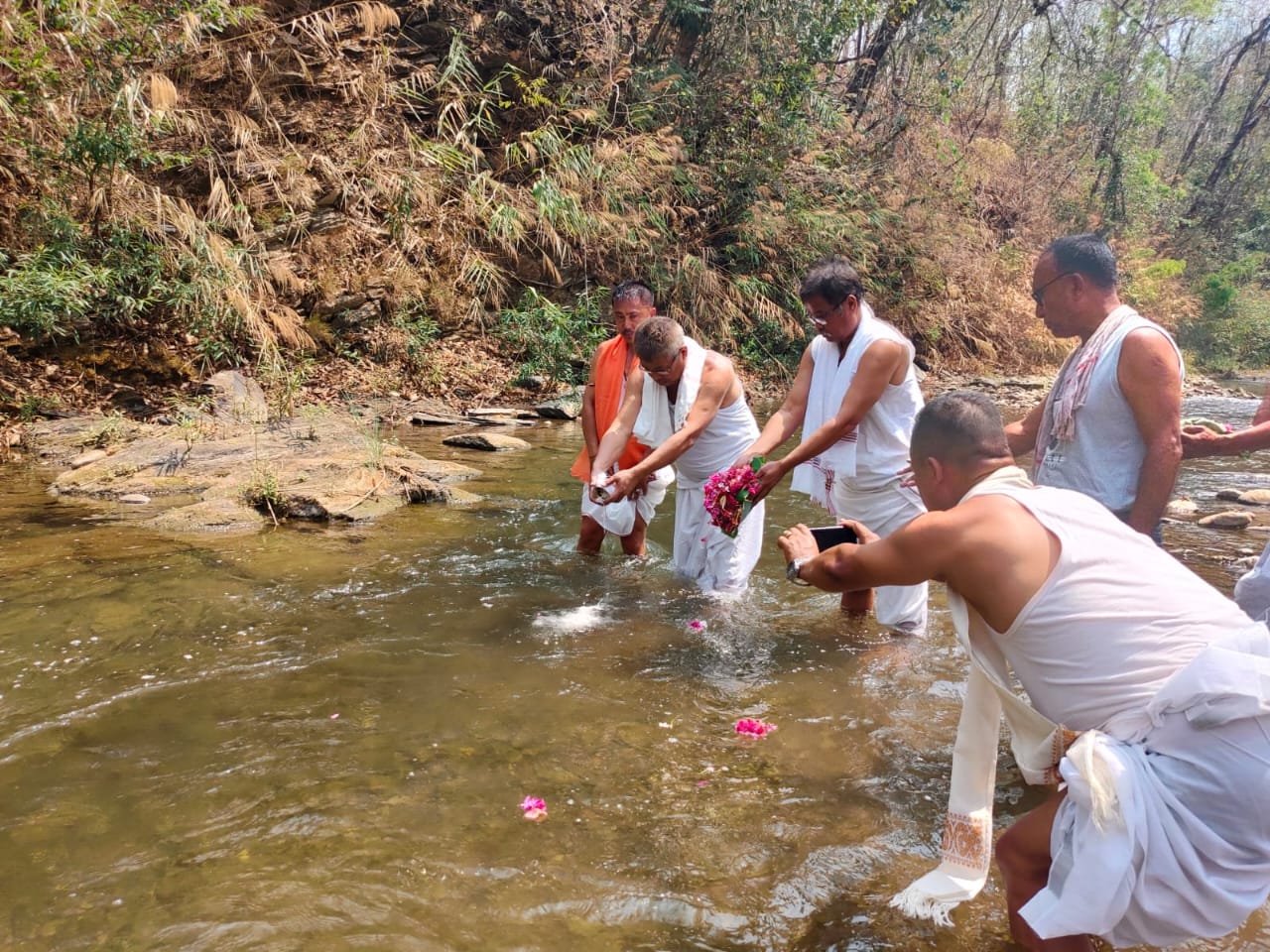
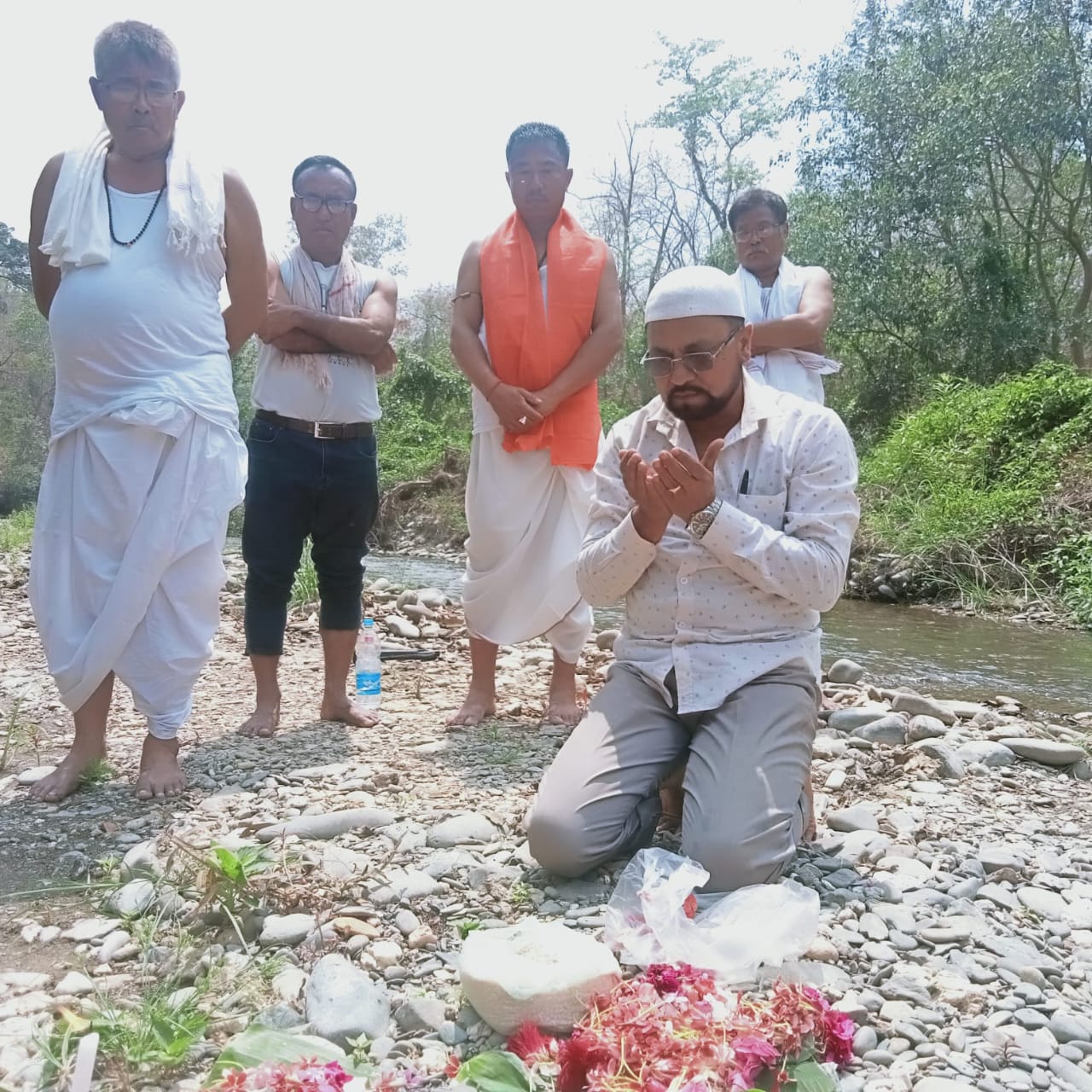
 “Preserving the Identity and Lands: The responsibility of the Indigenous communities to preserve the integrity of Manipur”
The integrity of a state lies not only in its borders but in the spirit of unity that binds its people, heritage, and land. It is the collective duty of its citizens to safeguard this bond, but the indigenous communities have a unique responsibility. As stewards of their lands, the deep-rooted connection that such communities hold with the culture, environment, and history is irreplaceable. In spite of the fact that there is no definition of indigenous communities or people in the Constitution of India, the Fifteenth Session of the United Nations Permanent Forum on Indigenous Issues (UNPFII), held from 9 to 20 May 2016, affirmed that the indigenous communities, also termed as aboriginal, native, or autochthonous people, are distinctive groups protected in national or international legislation as having a set of specific rights based on their historical and linguistic ties to a particular territory prior to later settlement, development, and occupation of a region. Being the original inhabitants of a state or region, such people have nowhere to go back to but have a common origin, common ancestral land, and cultures.
As such, there are 25 indigenous communities of Manipur, each one of which possess a unique identity known as Yek Salai and have the same blood lineage and recorded history of age old origin. These communities are namely –
Anal, Aimol, Chiru, Chothe, Inpui, Lamkang, Laiangmei, Khoibu, Kharam, Kabui, Kom, Koireng, Maring, Mao, Maram, Meitei, Monsang, Moyon, Paomei, Purum, Rongmei, Tangkhul, Tarao and Zeme, and Thangal.
Unfortunately, these communities continue to face threats to their sovereignty, economic well-being, languages, cultural heritage, and access to resources on which their survival depends. There is a deliberate and continuous attempt to reduce these communities into voiceless and invisible minorities.
The essay deals with the evil-intentioned scheme and the responsibility of the indigenous communities to counter and retaliate against such a state of affairs, followed by the modus operandi or methodology in one sense.
Pre-emptively devised aggression and strategically coordinate assaults:
The process of democratisation in Myanmar was abruptly halted when the Tatmadaw seized power in the February 2021 coup. The immediate effect of the political turmoil and violence in Myanmar following the military takeover has led to a significant influx of immigrants into the north-eastern region of India, particularly in Manipur, seeking safety and shelter. The State Government of Manipur initially failed to capture biometric data, enabling such illegal immigration across the porous Indo-Myanmar border. These illegal immigrants are known as Chins, and they have historical and cultural ties with the Kukis.
A majority of the Chins and Kukis in Manipur are engaged in and absorbed by poppy cultivation. In comparison to 2,340 acres cultivated by the Naga community, the Chins and Kukis have cultivated around 13,121 acres of land for poppy cultivation. The Kuki insurgents operating in the NER (North-Eastern Region) of India, particularly in Manipur, have established contacts with their counterparts in Myanmar and seek refugees, training, and resources, being well-funded by poppy cultivation and militarized by taking advantage of the Suspension of Operation (SoO) agreement with the Government of India and the Government of Manipur. Moreover, armed militants from the Chin territories of Myanmar have illegally swept into Manipur through the Free Movement Regime (FMR), and such cross-border interactions have perpetuated insurgency and militancy in both Manipur and Myanmar. Nonetheless, the ultimate objective of these outfits or bodies is the establishment of a separate homeland for the Chin-Kukis, i.e., Zalemgam, which consists of a significant portion of Manipur, the whole of Mizoram, and large tracts of land under Bangladesh and Myanmar. The socio-political unrest in Manipur is also largely because of the fact that these immigrants are not satisfied with the better social life and economic opportunities available in the state. They are insatiable in the sense that they are not content with privileges associated with being a Scheduled Tribe under the Constitution of India.
Thus, the craving of the Chin-Kukis for an exclusive political domain of their own since the 1980s, and the present violence and unrest in Manipur, collectively conclude that these immigrants did not relocate to Manipur for a better life or economic opportunities but with a political aspiration to conquer and subdue the indigenous communities to establish a separate state for themselves.
The impending but for seen future of Manipur and her indigenous people:
As stated earlier, the indigenous communities of Manipur are threatened both politically and socially due to the ignorance of their voices and cultures. Over the years, the Chin-Kukis have maintained a demographic edge over the newly created districts of Kangpokpi and Tengnoupal as well as in Churachandpur and Chandel. There is visible evidence of demographic engineering to tilt the balance of power against the indigenous communities. While the population of the indigenous people has decreased considerably, there was a sudden increase in the population of the Chins and Kukis by 75%. Contrary to the decrease in the number of villages in Jiribam, Ukhrul, and other hill districts inhabited by the Nagas, there was reportedly an increase of 296 villages in Chandel, 258 villages in Tengnoupal, 542 villages in Kangpokpi, and a whopping 560 new villages in Churachandpur. This data, along with the ongoing crisis in Manipur, only implies that the days are not far off when the indigenous communities will be displaced and face the status of refugees. The indigenous communities have already been deprived of all developmental packages in their own lands. Therefore, the halt of the internal territory fracturing of Manipur must be the onus of the indigenous communities, and they must rise to the occasion.
The inviolable, sacred and profound responsibility of the indigenous communities:
The indigenous communities of Manipur hear a multi-faceted responsibility to safeguard the integrity of the state. For these communities, their ancestral territories embody:
- The essence of their identity, forged through centuries of spiritual connection, traditional practices and cultural expression.
- The source of their physical and spiritual sustenance, providing vital resources and livelihoods.
- The repository of the collective memory, holding the stories, legends and future defining their past, present and future.
- The sacred lands that cradle the remains of their ancestors – sacred and ceremonial to the communities.
So, the state of Manipur, which is the ancestral land of such communities, is inextricably linked to their cultural practices, spiritual origin, and collective well-being. It is their responsibility, as stewards of their own lands, to protect and preserve the cultural and natural resources, the identity, as well as the habitats – all of which have sustained generations of the communities. It also honours the sacred trust entrusted to them by their ancestors.
In the case of Manipur, it has become an existential necessity. The onus on the communities in the face of such crisis is a profound responsibility – one that underscores their unprecedented duty to safeguard natural resources and human history against forces of destruction. The responsibility borne by the indigenous communities is one that transcends mere territorial defense and touches the core of the indigenous existence itself. The deep-rooted connection which such communities hold with their lands transforms this struggle into a sacred duty. At the heart of this striving lies an understanding that to lose the land is to lose the soul of the communities. The responsibility is all the more daunting due to the fact that the aggressors are militarized, politically powerful, and possess far greater resources which are superior and advanced. Thus, the responsibility weighs heavily, demanding unwavering resilience, unrelenting dedication, and unshakeable commitment. And, in order to fulfil this sacred duty, the indigenous communities must recognize:
- their ancestral lands as sacred trusts.
- their cultural heritage as precious legacy.
- their future generations as rightful inheritors.
So, the preservation of their holy lands by the indigenous communities is meant to protect the very foundation upon which their existence, identity, and resilience are built. The act of defense and retaliation is ultimately an expression of love for their own people and respect for the sacrifices of their ancestors, a responsibility that runs deeper than the surface-level protection of a territory.
However, the confrontations and acts of resistance are in contradistinction to expedients, operations and other such programmes as the strategies are tailored to specific needs and circumstances. It is essential and imperative that necessary actions and requisite measures be instituted, implemented and executed. The requisite interventions in order to achieve and attain the prescribed objectives are:
- Upliftment of communities and their empowerment can be established by the assertion of indigenous people over their lands and resources, and institutions such as autonomous governance structures. The development of community-led defense initiatives and defense training programmes also plays a key role, along with the enhancement of communication networks between the communities.
- Engagement in suppor
t and advocacy, which commences with collaboration with human rights groups and Non-Governmental Organizations (NGOs), followed by the utilization of social media and media outlets to raise awareness. The use of national laws and policies supporting indigenous land rights, such as the Manipur Forest Act, 1969, and the Scheduled Tribes and Other Minorities Act (Protection of Rights), is a must. The documentation of traditionally inherited lands, the establishment of community land trusts, and land use plans also have unique importance. - Last but not least, cultural preservation of all constituents of the unique state of such indigenous people is a necessity, which can begin with the documentation and teaching of traditional knowledge such as the Puyas, Paorou-Paotaks, etc. The promotion of indigenous languages and protection of cultural heritage, such as the Meiteilon and the art hierarchy, also contribute to cultural preservation. A technique of educating the youth with the engagement, mentorship, and guidance of their respective communities also has a major effect on cultural preservation. The indigenous communities must bolster their legacy and transmit the integrity of their precious lands to the younger and upcoming generations, fostering a deep understanding of their connection to the state and their role as its guardians.
Conclusion:
The responsibility which the indigenous communities of Manipur hold towards preserving the integrity of the state has always existed, but it was quietly woven into the fabric of
daily life. Before the eruption of violence on the 3rd of May 2023, the responsibility was often perceived as an ancestral inheritance, something carried with pride but rarely called into active duty. The present situation of Manipur, which has been ongoing for over 18 months, has shown that the integrity of the state is fragile, but the resolve is formidable and unbreakable. Nevertheless, the fight is not for the past or present, but for the future generations who will comprehend how their people stood firm at the darkest of times. And it is through this that Manipur remains a place, a state, a region where her people, their traditions, and their values continue to thrive.
 “The responsibility of the indigenous communities in protecting the territorial integrity of Manipur”
The state of Manipur, full of grace and heritage, lies in the north-eastern part of India with a unique geography that includes a valley surrounded by hills. In the cradle of the hills, where the valley lies, the Loktak Lake mirrors the dawn’s embrace. The tapestry of colours beneath the azure sky is where the dancing hills whisper tales of grace. The strategic location of Manipur has contributed to its status as a melting pot of various cultures and ethnicities, with the indigenous communities playing a vital role in shaping the state’s identity.
In Manipur’s cradle, cultures blend and grow. Meitei, the head of the valley’s flow, the Naga stand tall in the mountain’s embrace, and the Meitei Pangal, with wisdom, keep their pace. The indigenous communities of Manipur bear a crucial responsibility in protecting the territorial integrity of Manipur.
For the last 17 months, Manipur has been in the national spotlight, a state grappling with a deep-rooted crisis that has erupted into widespread violence following a High Court order on 27th March 2023. While the High Court order was the immediate trigger, the seeds of discontent were sown decades ago. The demand for an Inner Line Permit System can be seen as the beginning of the state’s instability, further exacerbated by socio-economic and ethnic tensions. The communal conflicts between the Meitei and Kuki communities have not only led to violence but also threaten the integrity of the state. In this volatile situation, their role in protecting the territorial integrity of our homeland is more vital.
Despite all the predicaments that have happened in the last 17 months, it is a critical moment that each and every community, not only the two scapegoat communities, must be united and come to the negotiating table to seek a pragmatic solution. The Civil Society Organizations, village elders, youth groups, women’s organisations, and even the armed cadres must reflect on the progress that Manipur had made prior to May 3, 2023. The state has been on the path of socio-economic development, which now seems a distant dream due to the ongoing conflict. Restoring peace in Manipur will require the concerted efforts of all the indigenous communities and the State government, with the help of the Central government. While the immediate focus must be on stopping violence, the longer-term solution must address the underlying grievances of all the communities so as not to create further havoc in the state.
The indigenous communities of Manipur, such as Meitei, Naga, and Meitei Pangal, share a profound historical relationship that has shaped their cultural identities in this region. These communities have lived in the state for centuries, establishing a deep-rooted connection with the land. Throughout the history of Manipur, these indigenous communities have often come together in times of external challenges to protect the territorial integrity of the state. They demonstrated unity in critical moments, such as resisting the colonial expansion of the British and safeguarding the sovereignty of Manipur. This unity highlights the communities’ capabilities to come together for the greater good, especially in the face of external challenges. The legacy of this unity reinforces their ongoing responsibility to protect the state’s borders and heritage. As internal pressures threaten to tear the state apart, the indigenous communities must look back at their shared history and realize the importance of working together, ensuring that the territorial integrity of the state is preserved for generations to come.
Conflicts of interest must be addressed as soon as possible. The indigenous communities must timely intervene in unnatural and unsubscribed events. Not only the authorities, but we, the indigenous communities, must be aware of and try to act regarding the growth of the Kuki population, which is excessively higher than that of the Meitei and Nagas. As per the Manipur Village Authorities Act in Hill Areas of 1956, there must be at least 20 households, and each household must pay the annual house tax for the village to be recognised by the government. However, there are a large number of villages, especially in the Kuki-dominant areas, whose names could not be found anywhere in the government records.
The indigenous communities of Manipur must play a vital role in advocating for the strict enforcement of the Foreigner Act, 1946, to address the issue of illegal Kuki immigration in Manipur. The state authorities, with the support of local communities, must ensure that the Act is applied fairly and consistently to those who have entered Manipur without legal documents. They must continue to advocate for the extension and strict enforcement of the Inner Line Permit (ILP) system to prevent illegal immigrants from gaining residence in Manipur. The ILP, in conjunction with the Foreigner Act, 1946, can help prevent the rapid population growth caused by illegal immigrants, particularly in the Kuki-dominant region, thereby safeguarding the territorial integrity of the state. The indigenous communities must cooperate and work with the authorities to ensure that no one bypasses this system.
Even though there are different ethnic groups in Manipur, they share common cultural practices like food, festivals, clothing, etc. These shared activities create a sense of togetherness and belongingness, which help in uniting the different communities. This sense of unity helps them to work together to prevent any internal and external challenges, thereby safeguarding the territorial integrity of the state.
Any non-indigenous or indigenous communities, for instance, the Kuki Zo community, shouldn’t be happy with India’s patronage system. India supports these Kuki Zo militants to confront the revolutionary forces in the WESEA (Western South East Asia) region. As India aims to weaken these revolutionary groups by bolstering the Kuki Zo militants, it has become a huge tremor to many states, especially in Manipur. So, any indigenous communities should not be happy with any political party’s patronage system.
In the book The Wretched of the Earth, written by Frantz Fanon, the father of decolonization, he asserted that protecting the territorial integrity of the state is synonymous with protecting cultural identities and the future.
Alfredo Gonzalez, an indigenous scholar, speaks about the role of indigenous communities in safeguarding not only the physical territories of the state but also the spiritual and cultural landmass. He says that protecting the territorial integrity of the state is a way to respect the ancestors and maintain the cultural narratives.
In these trying times, the people of Manipur, especially the indigenous communities, must be at the forefront of efforts to restore peace and harmony in this region. It is through co-operation, dialogue, and understanding among all the communities that Manipur can once again embark on its path to glory and become a shining example of development in the North-East region. Manipur and its people deserve not just national attention but also the prayers and support of every Indian.
The indigenous communities must step up in this critical moment, working towards peace and the protection of the land. Their sense of duty must guide them to protect the territorial integrity of our motherland, ensuring that the state emerges stronger from this period of turmoil. The responsibility to protect the state’s borders and cultural heritage lies squarely with them, as internal and external pressures threaten to tear the state apart.
In this critical moment, where the State and the Central governments can’t handle the situation, it is the responsibility of the indigenous communities to stand firm and act as guardians of their homeland. If they choose the path of protection, they can ensure a future where territorial integrity and cultural heritage are preserved for generations to come.
 “The role or responsibilities of the indigenous people to preserve the integrity”
Manipur was an independent kingdom ruled by the Meitei Dynasty. According to the Cheitharol Kumbaba (the royal chronicle of Manipur) and other reliable sources, Manipur’s history is 3,500 years old. King Kangba was the first king. The Kangleipak Kingdom has a documented history since 33 AD. In 1891, the British invaded Manipur and ruled it for over 56 years.
According to UNESCO, indigenous people are those who are descended from the population that inhabited a country or a geographical area at the time of colonisation, conquest, and establishment of current state boundaries. Indigenous people have several characteristics in common, including a strong connection to their land, a history of continuity with a given region before colonisation, social, economic, and political systems, and distinct languages, cultures, beliefs, and knowledge systems.
There are more than 32 tribes which are the recognised tribes who had made their home in Manipur for years viz; Anal, Aimol, Simte, Suhte, Lamkang, Leangmei, Ralte, Rongmei (Kabui), Hmar, Mao, Maring, Maram, Mongsang, Paite, Inpui, Vaiphei, Zeme, etc. besides Meetei/Meiteis and Meitei Pangals.
Inspired by the United Nations Declaration on the Rights of Indigenous Peoples (UNDRIP), the UNESCO policy embraces the rights of indigenous people to their traditional lands and cultures and recognises traditional management as a part of new management approaches. It is high time now to protect indigenous people from illegal immigrants, as Manipur is a border state. The intrusion of illegal immigrants from Myanmar, Bangladesh, and Nepal has gone far and settled down widely.
In order to protect our land and people, one of the key responsibilities of indigenous people is preserving our unique cultures and traditions. This includes keeping language, music, dance, festivals, and rituals alive. For indigenous people, ancestral lands are deeply tied to their identity and spirituality. Preserving the integrity of Manipur means assuring that these lands are not lost to deforestation, mining, and urbanisation. We should preserve sacred sites and their historical significance.
We, the indigenous people, should maintain a deep connection with nature, relying on it for our livelihood through farming, fishing, and gathering resources. All indigenous people should have a sense of cooperation and collective responsibility. The spiritual manner will help us manage resources, resolve conflicts, and maintain harmony. We should actively take part in decision-making irrespective of caste, community, or religion, so that our voice will be heard. One of the most important things as indigenous people is to protect our rights, especially regarding land, culture, and resources. Uniform land distribution will help to maintain sustainable integrity for the state of Manipur.
As indigenous people, we have to keep this phrase, “Demogeography is destiny”, in mind, which refers to the idea that a country’s population size and makeup will determine its future. The population of indigenous people in Manipur is decreasing immensely day by day. Therefore, as indigenous people, women should have 4 to 5 kids. With the increasing population, there will be economic development along with physical capital. We must have a written financial plan and get into the habit of saving money. Since the economy plays a role in the integrity of society in many ways, the improvement in material living standards and social conditions brought about by economic measures will promote the integrity of the state.
The current violence in Manipur is a very clear example of geopolitics. Around 60% of the Manipuri population lives in the valley, and the remaining 40% lives in hilly areas. One of the major communities, the Meetei/Meitei, cannot reside in hill regions as per Article 371/C in the Constitution of India. Therefore, every indigenous person should have the right to settle anywhere in the state. We must, therefore, insist that the Government of India extend the MLR & LR Act of 1960 to the whole of the state.
The demographic change is causing issues in Manipur. The dramatic change has boosted the population of the Kuki-Chin-Zo community in the State of Manipur since there is political turmoil in neighbouring countries like Myanmar and Bangladesh. Consequently, we, the indigenous people, should demand NRC to identify and deport the illegal immigrants as mandated by the Citizenship Act of 1956, and scrap the Free Movement Regime (FMR) between India and Myanmar to ensure the internal security of the countries and the beloved state – Manipur, and preserve integrity among the indigenous people.
One of the most important things as an indigenous people is to build up social cohesion. It is the glue that binds society together. We should have a sense of belongingness and identification with a common good. We should also make a web of social relationships, and emotional and instrumental support. We have to harness the potential of diversities, rather than being demographically homogeneous. However, patriotism fosters a sense of collective responsibility for the well-being of a Country/Nation/State. So, we should have a sense of patriotism to bring unity and integrity to the beloved State – Kangleipak, Manipur.
Drug abuse is often accompanied by the devastating of community life. It leads to instability in family relationships, crime-prone areas, and domestic violence. It causes communal violence between ethnic communities. Blocking the main drug routes and saying no to drugs are collective responsibilities. Also, the poppy plants planted by the different communities, instead of preserving our natural heritage and natural beauty such as the Sangai, should be destroyed and have become a must responsibility.
We, the people of Manipur, as an indigenous people, take up a crucial role in preserving and conserving our traditions, cultures, resources, etc. We should educate the youth, and studying our languages, culture, and traditions in foreign countries should be a collective responsibility. A sense of belonging should be a compulsory duty for the indigenous people to preserve and uphold the integrity of Manipur.
‘Long Live Manipur’
Ima Leibakna
YAIPHARE ! YAIPHARE.
 THE ROLE AND RESPONSIBILITIES OF THE INDIGENOUS PEOPLE IN PRESERVING THE INTEGRITY OF MANIPUR
Introduction:
Manipur, a state located in north-eastern India, is characterized by its rich cultural heritage, diverse ethnic communities, and unique ecological landscapes. Indigenous people play a pivotal role in preserving the integrity of this region, not merely through cultural preservation but also by sustaining the environment and promoting social cohesion. Their unique relationship with the land, rooted in traditional knowledge and practices, positions them as guardians of Manipur’s identity.
Definition of indigenous communities:
Indigenous communities are groups of people who are the original inhabitants of a particular region or country, often maintaining distinct cultural practices, languages, and social systems. Some key aspects that define indigenous communities are historical connection, cultural integrity, social organizations, traditional knowledge, rights and recognition, and diversity.
Who are the indigenous people of Manipur?
The indigenous people of Manipur are diverse and comprise several ethnic groups, each with distinct languages, cultures, and traditions. The primary indigenous communities include:
- Meitei: The community is the majority ethnic group in Manipur, primarily residing in the central valley areas. They have a rich cultural heritage, including traditional dance, music, and festivals like Ningol Chakouba, Yaoshang, Cheiraoba etc.
- Naga Tribes: Various Naga tribes inhabit the hills of Manipur, including the Angami, Rongmei, Tangkhul, Maram, Ao, Sumi, Lotha, Chakhesang, Zeliangrong and others. Each tribe has its unique customs, languages and practices, contributing to the region’s cultural diversity.
- Kuki-Chin-Mizo: The old Kuki, Chin and Mizo communities, namely Vaiphei, Thadou, Kim, Gangte and Hmar etc. who began settling in Manipur around the early 19th century.
- Pangal: The Pangal community, often referred to as Manipuri Muslims, has a unique identity and history in Manipur, blending Islamic traditions with local customs.
The role and responsibilities of indigenous people in preserving the integrity of Manipur:
Preserving the integrity of Manipur by indigenous people is paramount for maintaining its sovereignty, stability, and functionality. Integrity not only encompasses territorial boundaries, but also the cohesion of its political, economic, and social systems. The role and responsibilities of indigenous people in preserving the integrity of Manipur are multifaceted and deeply rooted in cultural, social, and environmental aspects.
Here are some key points highlighting their significance:
- Cultural Preservation –
Traditions and Practices: Indigenous communities maintain unique languages, rituals and customs that embody their identity. Efforts to maintain these practices help sustain the region’s cultural diversity.
Storytelling and Oral Histories: Elders play a vital role in passing down knowledge and traditions through storytelling, ensuring that younger generations remain connected to their heritage.
- Environmental Stewardship –
Sustainable Practices: Indigenous peoples often engage in traditional agricultural and ecological practices that promote biodiversity and sustainability. Their knowledge of local ecosystem can guide conservation efforts.
Land Management: Indigenous land management techniques, such as shifting cultivation and agroforestry, contribute to soil health and resource conservation.
- Advocacy and Representation –
Political Voice: Indigenous leaders advocate for their rights and interests, ensuring that their voices are heard in local and national decision making processes regarding land, resources and governance.
Protection of Ancestral Lands: They play a crucial role in resisting encroachments on their ancestral lands, thereby preserving their cultural heritage and natural resources.
- Community Cohesion and Identity –
Social Structures: Indigenous communities often have strong social networks that promote solidarity and collective responsibility, essential for maintaining cultural integrity.
Identity Preservation: They actively work to foster a sense of identity amidst external pressures, fostering pride in their heritage and traditions.
- Education and Knowledge Sharing –
Cultural Education: Indigenous people are vital in educating younger generations about their history, customs and the importance of their cultural practices.
Integration with Modern Education: They can bridge traditional knowledge with modern education systems, promoting a holistic understanding of their culture.
- Collaboration with External Organizations –
Partnerships: Collaborating with NGOs, government bodies and academic institutions can enhance conservation efforts and cultural preservation initiatives.
Resource Mobilization: Engaging with external entities can help secure funding and support for projects aimed at preserving cultural and natural resources.
Challenges of indigenous people in preserving the integrity of Manipur:
Indigenous people in Manipur face several challenges that threaten their cultural integrity, social cohesion and environmental sustainability.
Here are some of the main threats:
- Land Dispossession –
Encroachment: Increasing land acquisition for agricultural and infrastructural development, along with illegal encroachment into forest areas by people from the neighbouring country, namely Myanmar, often leads to the displacement of indigenous communities from their ancestral lands.
Deforestation: Shifting cultivation practices and illegal poppy cultivation can lead to the loss of forests that are vital for the cultural and economic practices of indigenous peoples.
- Cultural Erosion –
Modernization: The influence of modern lifestyles and globalization can lead to the decline of traditional practices, languages and cultural identities.
Education System: The formal education systems may not adequately incorporate indigenous knowledge and languages, contributing to cultural disconnection.
- Political Marginalization –
Lack of Representation: Indigenous communities often lack adequate representation in political processes, making it difficult for them to advocate for their rights and interests.
Inadequate Policies: Government policies may not address the specific needs of indigenous communities, leading to inequities in resource allocation and access to services.
- Socio-Economic Challenges –
Poverty: Many indigenous communities face economic challenges, limiting their access to healthcare, education and employment opportunities.
Resource Scarcity: Competition for natural resources, such as water and land, can lead to conflicts and further marginalization of indigenous peoples.
- Environmental Changes –
Climate Change: Indigenous communities are often more vulnerable to the impacts of climate change, which can affect their traditional livelihoods and food security.
Loss of Biodiversity: The degradation of ecosystems can undermine traditional practices related to agriculture and resource management.
- Social Conflicts –
Ethnic Tensions: Manipur’s complex ethnic landscapes can lead to inter-community conflicts, further jeopardizing the stability and cohesion of indigenous groups.
Insurgency and Violence: Ongoing political unrest and violence can disrupt community life, threaten safety, and hinder development efforts.
Role of government in preserving the integrity of Manipur:
Indigenous people alone cannot preserve integrity of Manipur. Here, the role of the government plays a crucial role in preserving the integrity of Manipur.
Here are some key areas where government action is essential:
- Promoting Peace and Stability –
Conflict Resolution: The government must engage in dialogue with various ethnic groups and communities to address grievances and promote peace.
Security Measures: Ensuring law and order through effective policing and the deployment of security forces, when necessary, while also respecting human rights.
Proper Border Fencing: Manipur has been experiencing influx of illegal migrants from neighbouring country namely Myanmar. The government needs to maintain sufficient fencing around the international border, especially over Indo-Myanmar, and enforce strict laws to stop the unauthorized influx of people crossing the border.
- Cultural Preservation –
Supporting Indigenous Cultures: Implementing policies that protect and promote the unique traditions, languages, and practices of various ethnic communities.
Education and Awareness: Incorporating local history and culture into school curricula to foster respect and understanding among different communities.
- Economic Development –
Infrastructure Investment: Developing infrastructure to enhance connectivity and access to resources, which can help reduce regional disparities.
Promoting Local Industries: Supporting local artisans and industries through grants and training programs to bolster economic self-sufficiency.
- Political Representation –
Inclusive Governance: Ensuring that all communities are fairly represented in local and state governments, allowing for diverse voices in decision making processes.
Empowering Local Bodies: Strengthening local government institutions to ensure they can effectively address community needs.
- Social Welfare Programs –
Targeted Development Initiatives: Implementing social welfare programs that address the specific needs of marginalized communities, such as healthcare, education and employment.
Conflict Recovery Programs: Offering support for communities affected by violence and unrest, including psychological support and economic rehabilitation.
- Environmental Protection –
Sustainable Development Practices: Ensuring that development initiatives consider environmental sustainability to protect Manipur’s rich biodiversity and natural resources.
Community Involvement: Involvement local communities in conservation efforts to foster a sense of ownership and responsibility.
- Strengthening Law and Institutions –
Judicial Reforms: Ensuring a fair and transparent judicial process to uphold the rule of law and protect the rights of all citizens.
Anti-Corruption Measures: Promoting transparent and accountability in government actions to build public trust.
- Crisis Management –
Disaster Preparedness: Developing robust plans for managing natural disasters, given Manipur’s vulnerability to floods and landslides.
Health Crisis: Ensuring access to healthcare, public health initiatives, especially during crisis like pandemics.
Current threats of ethnic clash in Manipur and its impact in preserving the integrity of Manipur:
The ongoing ethnic tensions in Manipur pose significant threats to the region’s stability and social cohesion. The clash between various ethnic communities, primarily the Meitei and Kuki communities, has led to violence and displacement, undermining the integrity of Manipur as a unified state. This strife not only disrupts local governance and economic activities but also exacerbates communal divisions, hindering efforts towards peace and reconciliation. Addressing these challenges is crucial for preserving the cultural and social fabric of Manipur, ensuring that its diverse communities can coexist harmoniously while fostering a sense of belonging and mutual respect.
Conclusion:
In conclusion, the role of indigenous people in preserving the integrity of Manipur is multifaceted, encompassing environmental stewardship, cultural preservation, and active civic engagement. By fulfilling these responsibilities, they not only protect their unique heritage but also contribute to the overall resilience and sustainability of Manipur as a whole.
 Responsibilities of Indigenous People to Preserve the Integrity of Manipur
Introduction:
The United Nations does not have definite definition of indigenous people. But on 9 to 20 May, 2016, the 15th Session of the United Nation Permanent Forum on Indigenous Issues (UNPFII) affirmed that indigenous people are distinct group of people protected in National & International legislation for having a set of specific rights based on their linguistic and historical ties to particular territories. Indigenous people (which are also called aboriginal, native people) are the group of people who shared a common history, value and belief and have a strong connection to the land and natural resources where they lived.
Manipur, a North-eastern State in India is renowned for its wealthy cultural history, biodiversity and distinct indigenous groups. The State is home to several ethnic communities consisting of Meitei, Naga, Meitei Pangal (Muslim), Kom, Thadou and other smaller tribes. These groups have coexisted for centuries each contributing to the specific identification of Manipur. However, Manipur has faced enormous challenges in recent many years starting from political instability and ethnic conflict to environmental degradation and cultural dilution. The responsibilities of keeping the integrity of Manipur rests heavily on its indigenous people who ought to act as a steward in their lands, ways of life and heritage.
Cultural Preservation and Revitalization:
What instead will the indigenous people have to do? Almost everyone can claim that one of their main functions is the conservation of their heritage. Manipur is blessed with diversity in language, culture, festivals, dance, arts and crafts which is a part of its indigenous people way of life. The State is famous for its classical Manipuri dance, exquisite handloom weaving and indigenous festivals like Yaoshang and Lai Haraoba. Maintenance of these customs was not only seen as a duty towards the history but as a necessity towards the The extinction of native languages is a challenge from which the modern world cannot shun away. Over the past few decades, there has been a general move away from such native languages, especially among younger age groups. In order to maintain the wholeness of Manipur, it is important that native tribes focus upon the revitalization of their language. This could be achieved through education, promoting the use of the local tongue in the home, school, and public places. Cultural centres and elders of communities are significant in this process through the preservation of oral rituals, women’s songs, and community stories, which are avenues for preserving indigenous knowledge.
Along with conservation, there should be promotion of native artistic practices and handicrafts. Crafting, such as fabric making, pot making, and weaving baskets, are functional activities, but such activities manifest culture. With all these measures in place, tribal people of Manipur will be able to protect their civilisational treasure by helping artisans and ensuring that such crafts are inherited by posterity.
Environmental Stewardship:
The eco-geographic feature of Manipur bears similarities with its cultural features as well. The State lies within the Indo-Burma biodiversity hotspot, which is home to several endemic flora and fauna. Loktak Lake, the largest freshwater lake in Northeast India, and other lake wetlands are the most significant parts of the ecosystem in that particular area. For generations, native people have lived in harmony with nature and engaged in agriculture, fishing, and forestry without endangering it. Deforestation, depletion of resources, and urbanization are some of the factors that have negatively impacted the environmental heritage of Manipur
The protection of the environment is more the duty of land children since they are the ones who have always lived in those particular areas. Such good and eco-friendly ways of earning, which were modified over time for indigenous people to earn a living, need to make a comeback. For example, jhum cultivation, which is a form of shifting agriculture and is practiced by some of the indigenous people, has to be done in a way that does not cause forests to disappear or lead to soil disruption. Strategies such as agroforestation, organic agriculture, and germplasm conservation of centre species are some of the steps that need to be taken in the areas where damage of that nature has occurred.
Community-based conservation plays an important role in maintaining and preserving the biodiversity of Manipur. Indigenous knowledge systems, honed over centuries, provide valuable insights into ecosystem management. By integrating traditional environmental knowledge with modern conservation practices, indigenous people can protect their forests, water bodies, and wildlife and ensure that Manipur’s environment will remain the same for future generations.
Socio-Political Stability and Conflict Resolution:
Manipur was scattered for a short period of time due to ethnic conflict and political turmoil, which undermined the social structure of the state. Tension between the many ethnic groups often leads to violent confrontations. This has been accompanied by loss of life, displacement, and deepening suspicion among various groups. These conflicts are sometimes driven by issues such as land rights, political representation, and economic differences. Efforts to maintain the social and political balance in Manipur depend heavily on the urban population. It should work to increase non-violent coexistence and conflict resolution.
One important factor for this difficulty is the promotion of dialogue and shared knowledge between ethnic communities. Most inter-ethnic conflicts are often rooted in historical grievances. Changes in political ambitions, folk leaders, and civil society leaders can play an important role in facilitating dialogue and building unity between different groups. Initiatives that promote cultural exchange activities between local communities and collaborative activities can help bridge differences and promote a sense of common identity.
Additionally, indigenous people must support comprehensive policies that provide fair representation of all communities. Political differences are one of the main causes of ethnic conflicts in Manipur. By giving every citizen the right to have a voice in the decision-making process, citizens can help create a more just and equitable society. The security of Manipur’s identity depends on the formation of a political system that recognises the rights and aspirations of every citizen.
As the tension between the Meitei and Kuki communities often leads to violent confrontation, the demands for a separate administration by the Kuki pose a severe threat to the integrity of Manipur, as the aim of some Kuki militants is to establish an independent sovereign country, “Zogam” or “Kukiland,” by uniting the Kuki-Chin tribes in India, Bangladesh, and Myanmar. The Meitei communities were shocked when they learnt that most of their kin had been killed, their houses and property burnt, and they were driven out by Kuki militants in Churachandpur, Moreh, and Kangpokpi on 3 May 2023. Many youths lost their sense of judgment and became mad with anger. Anger is the worst enemy. They fell into the trap of provocation by Kuki militants and took out their anger on innocent Kuki settled in the valley area, burning down their houses and property within their reach. If this fighting and conflict continue for many years, it will be detrimental to the integrity of Manipur. As the fighting continues, the number of casualties, the scale of the humanitarian crisis, and the suffering and misery of people from both communities will increase. This will deepen the wounds, aggravate hatred between the two ethnic groups, and make the reconciliation process arduous. Thus, it will be very difficult to save the integrity of Manipur without the cooperation of all indigenous communities. It is a crucial time to analyse the present crisis in Manipur, as there is a grave danger to its integrity. Manipur is heading toward a precarious future of being left with only a small valley area without the hill districts. All the indigenous communities must unite and work together to save the integrity of Manipur. Peace and reconciliation will be the only options to restore harmony for future generations.
Preservation of Land and Resources:
Land is not only an economic benefit; it is a symbol of indigenous identity and heritage. In Manipur, land ownership and access to natural resources are the basis of conflict between many ethnic groups. Indigenous people have the responsibility to ensure the equitable and sustainable use of land and resources. At the same time, they protect their traditional rights.
External economic influences such as large industrial projects and infrastructure development have led to the resettlement of indigenous communities and the exploitation of their territories. In many cases, these projects have been carried out without the free and prior consent of indigenous communities. This violates their rights and disrupts their way of life. To preserve the integrity of the State of Manipur, indigenous people should maintain their rights to land and resources, and ensure that any developmental projects are carried out in a way that benefits the local communities and respects their traditional property.
It is important to implement the laws and policies that protect the land rights of indigenous people. Therefore, indigenous people must actively be involved in decision-making processes that relate to land use and resource management. Additionally, we must support land reforms that promote the equitable distribution of land and avoid the concentration of land in the hands of a few people. With guarantees of land rights, indigenous people can protect their cultural, land, and economic future. At the same time, it helps maintain the overall stability of Manipur.
Promoting Unity in Diversity:
Manipur’s strength lies in its diversity. The State has many ethnic groups. Each group has different traditions, languages, and cultures. Although this diversity is often a source of conflict, it also has the potential to promote unity and mutual respect. Indigenous people have the responsibility to promote the concept of “unity in diversity”, emphasizing common values and a shared history that unite the communities of Manipur together.
Educational institutions, cultural organisations, and civil society leaders can play an important role in promoting inclusion and understanding. Schools in particular should be encouraged to include curriculum activities that teach students about the different ethnic groups of Manipur’s history and their contribution to the identity of Manipur. By instilling a sense of pride in Manipur’s diversity, future generations can grow up with a deep appreciation for the richness of its cultural heritage, and a commitment to upholding the integrity of Manipur.
Additionally, festivals, cultural activities, and sporting events can serve as a platform for promoting unity in diversity. For example, the Sangai Festival is a celebration of Manipur’s cultural diversity and attracts participants from across the State. These festivals provide an opportunity for the community to come together, fostering a sense of camaraderie and mutual respect.
Challenges and Ways to forwards:
The indigenous people of Manipur have important responsibilities for preserving the integrity of the State. They therefore face many challenges in fulfilling their role, such as economic backwardness, lack of access to education, health care, and political barriers that often continue to hamper their efforts. Moreover, the influence of globalisation and modernization has led to the erosion of traditional values and practices, especially among younger generations.
To overcome challenges, indigenous people must work together with governments, international organizations, and civil society. There is a need for open policies that address the social and economic needs of indigenous communities. While simultaneously promoting their cultural and environmental rights, indigenous leaders must actively engage with modern political systems to protect their rights and interests.
Youth in particular play an important role in maintaining the integrity of the State. They are the holders of the cultural and environmental heritage of their communities. By embracing their uniqueness and at the same time, adapting to the challenges of the modern world, indigenous youth can ensure that Manipur’s heritage is preserved for future generations.
Conclusion:
The responsibility of maintaining the integrity of Manipur lies largely on its indigenous people. This responsibility has many dimensions, covering the preservation of cultural heritage, environmental management, social and political stability, and promoting unity in diversity. By actively enveloping these areas, the indigenous people of Manipur can protect their land, culture, and future. At the same time, it also contributes to the broader development of the State. The road ahead requires a delicate balance between tradition and modernity to ensure that Manipur’s rich heritage is not only preserved but also thrives in a constantly changing world.
 Responsibility of Indigenous People to Preserve the Integrity of Manipur
Manipur, a north-eastern state in India, is renowned for its rich cultural history, biodiversity, and distinct indigenous groups. This state is home to diverse ethnic communities consisting of the Meitei, Naga, Kuki, Meitei Pangal, and other smaller tribes. Each community contributes to the distinct identity of the state. However, Manipur has faced enormous challenges in recent years, ranging from political instability and ethnic conflicts to environmental degradation and cultural dilution. The responsibility to preserve the integrity of Manipur rests heavily on the indigenous people, who ought to act as stewards for their land, way of life, and heritage.
Almost everyone can claim that the main function is the conservation of heritage. Manipur is blessed with diversity in culture, language, festivals, arts, and crafts, which is an indigenous people’s way of life. This state is famous for its classical Manipuri dance, exquisite handloom weaving, and indigenous festivals like Yaoshang and Lai Haraoba. Maintenance of these customs is not only seen as a duty towards history but also a necessity in the present to sustain the culture for the future.
The extinction of native languages is a challenge from which the modern world cannot shun away. Over the past few decades, there has been a general move away from such native languages, especially among the younger age groups, and this is an issue that threatens the very essence of cultural existence. To maintain the wholeness of Manipur, the native tribes should focus on the revitalization of their languages. This could be achieved via education and by promoting the use of local tongues in homes, schools, and public places. Cultural centres and community leaders are responsible for this process by emphasizing oral rituals, women’s songs, and cultural stories, which are avenues to indigenous knowledge.
Along with conservation, there should also be promotion of native artistic practices and handicrafts. Crafting remains, fabrics, making pots, and weaving baskets are functional activities, but these activities manifest culture. With all these measures in place, the tribals can protect their civilisational treasures by helping artisans and ensuring that such crafts are inherited by posterity.
The geographic features of Manipur bear similarity with its cultural features as well. The state lies in the Indo-Burma hotspot, which is home to various endemic flora and fauna. The Loktak Lake, the only freshwater lake, and other lakes and wetlands are significant to the ecosystem in that particular area. The native people have lived with nature for generations and engaged in agriculture, fishery, and forestry without endangering resources. Deforestation, depletion of other resources, and urbanization are some factors which have a negative impact on that ecosystem.
The protection of the environmental biodiversity is more the duty of the land’s children, since they are the ones who will always live in that particular area. With a good ecosystem, which can be modified with time, the native tribe can earn a living. Jhum cultivation, which is a form of agriculture practised by the indigenous tribes, has to be done in a way that the forests do not disappear and also to prevent soil disruption.
Strategies such as agroforestry, organic agriculture, and germplasm conservation of the centre species are some steps to be taken in the areas where restoration of such damage is needed.
Community biodiversity plays an important role in maintaining the integrity of Manipur. Cultural knowledge honed over centuries provides valuable insights into ecosystem management. Traditional knowledge, together with modern conservation practices, can help in the preservation of integrity in Manipur.
Manipur was scattered for a short period of time. With the help of ethnic conflicts and political turmoil, which undermine the State structure, tension between the Meitei and Kuki communities often leads to violent confrontation. This has been accompanied by the scarcity of life, displacement, and deepening suspicion among groups. These conflicts are sometimes caused by issues such as economic differences, political representation, and land fights. The responsibility for social and political balance depends upon the urban population. It should work on increasing non-violent coexistence and conflict resolution.
The indigenous people should choose a comprehensive policy that provides fair representation for all communities. Political differences are one of the main causes of ethnic conflicts. The people should have the right to a voice in any decision-making process, and this helps create a just and fair society.
Manipur’s strength is its diversity. The State has many ethnic groups. Each community has its own culture, language, and festivals. Though this diversity has often been a source of conflicts, it also has the potential to promote unity in diversity and mutual respect. The indigenous people are responsible for the promotion of the concept of “Unity in Diversity” by emphasizing common values and stories. The cultural leaders, community leaders, and educational institutions are significant for promoting inclusion and understanding. Schools in particular should be encouraged to include curricula that teach students about the different ethnic groups and their contributions to the identity of the State. By instilling a sense of pride since its inception, the future generation can grow up with a deep appreciation for the rich cultural heritage and uphold the integrity of the State.
Festivals, cultural activities, and sports serve as platforms to preserve the integrity of the State. For example, the Sangai Festival is a celebration of the Manipuri ethnic groups. This event provides an opportunity for communities to come together, fostering a spirit of camaraderie and mutual respect.
The indigenous people are mainly responsible for preserving the integrity of Manipur. So, they face many challenges to fulfil their responsibility. Economic backwardness and lack of access to education and health care continue to hamper their efforts. Moreover, the influences of globalization and modernization have led to the erosion of cultural traditions and knowledge.
In order to address these challenges, the indigenous people of Manipur should work together with the government, civil society, and international organisations. There is a need for open policies to understand the social and economic needs of the indigenous people.
Especially the youth is responsible for preserving the integrity of Manipur. They are the pillars and upholders of the State. By embracing their uniqueness and adapting to the challenges of the modern world, the youth can ensure that the State is preserved for future generations. The youth should be actively engaged in the modern political system to maintain their rights and interests.
The State of Manipur is not only beneficial economically, but it is also a symbol of identity and cultural heritage. The native people are responsible for the preservation of the land resources of the State. External influences such as industrialization projects and developing infrastructure have led to the resettlement of the indigenous people and the exploitation of their territory. In many cases, such processes have been carried out without the prior consent of the indigenous people. This violates their land rights and disrupts their way of life. Therefore, to ensure their rights, development should be carried out in a way that benefits the local community and respects their traditional property.
It is to implement land rights and resources for the indigenous people. Therefore, the indigenous people should participate in the decision-making process of every land use and resource development. We should support the equitable distribution of land reforms and avoid the act of concentration of land by a few people. By ensuring this, the tribals can protect their land, water, and resources.
The responsibility of preserving the integrity of Manipur rests heavily on the indigenous people. It has many dimensions – preservation of cultural heritage, environmental and ecosystem management, and promoting unity in diversity, as well as the broader development of the State. A delicate bond between tradition and modernity can help in developing the State. It not only preserves the integrity of the State but also enables it to thrive in the changing world.
