
The psychology behind risk-taking in gambling behavior
The Nature of Risk-Taking
Risk-taking is a fundamental aspect of human behavior, often driven by various psychological factors. In gambling, individuals are faced with the uncertainty of outcomes, which can evoke a mix of excitement and anxiety. This uncertainty triggers the brain’s reward system, activating neurotransmitters like dopamine, which are associated with pleasure and reinforcement. Thus, the mere act of betting can generate a thrill, pushing individuals to seek out more high-stakes situations. For those interested in experiencing this excitement, Hotstreak Casino offers numerous opportunities to engage in thrilling games.
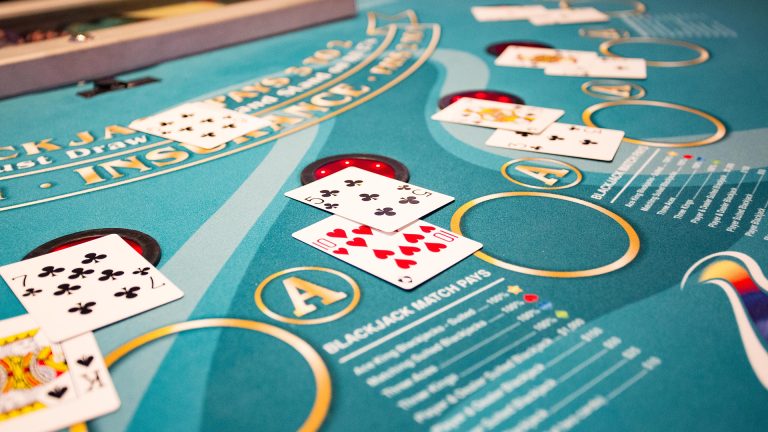
Furthermore, the concept of loss aversion plays a significant role in gambling behavior. Research shows that people tend to prefer avoiding losses rather than acquiring equivalent gains. This psychological principle can lead gamblers to take larger risks to recover losses, often resulting in a cycle of escalating bets that deepens their involvement in gambling. Understanding these motivations helps explain why many individuals engage in risky gambling behavior despite the potential for negative consequences.
The social context of gambling also influences risk-taking tendencies. Social pressures or the desire to impress peers can drive individuals to participate in risky gambling activities. For instance, individuals may gamble in groups, where the collective excitement can amplify their desire to take risks. Thus, the intersection of psychological factors and social dynamics creates a fertile ground for risk-taking behavior in gambling scenarios.
The Role of Cognitive Biases
Cognitive biases significantly affect how individuals perceive risk and make decisions while gambling. One prevalent bias is the illusion of control, where gamblers believe they can influence outcomes that are inherently random, like slot machines or roulette. This false belief can lead them to take bigger risks, as they overestimate their chances of winning based on past experiences. For example, a player might believe that they have a “lucky” strategy, prompting them to increase their bets based on an unfounded sense of control.
Another cognitive bias that impacts gambling behavior is the gambler’s fallacy, which involves the mistaken belief that past events influence future outcomes in independent random events. For instance, if a player observes a series of losses, they may believe a win is “due,” prompting them to bet more heavily. This fallacy can create an illusion of predictability in inherently unpredictable environments, leading to higher risks as individuals chase perceived trends.
These cognitive biases not only affect individual decision-making but also contribute to the overall culture of gambling. As individuals validate their biases through personal experiences or anecdotal evidence, the gambling environment can perpetuate risk-taking behaviors. Understanding these biases is crucial for developing strategies to mitigate harmful gambling practices and promote more responsible behaviors among players.
The Impact of Emotions on Gambling Choices
Emotional states profoundly influence gambling behavior, often serving as a catalyst for risk-taking decisions. For instance, feelings of excitement or euphoria can heighten the desire to gamble, leading individuals to make impulsive decisions without fully considering the risks involved. Similarly, negative emotions like stress or sadness can also drive people to gamble as a form of escapism, attempting to alleviate their emotional discomfort through the thrill of the game.
Moreover, the interplay between emotions and risk perception can distort a gambler’s judgment. When in a euphoric state, individuals may underestimate potential losses and overestimate their chances of winning. Conversely, during moments of despair, individuals might gamble recklessly in a bid to regain control or improve their mood. This emotional rollercoaster can lead to a cycle of erratic gambling behavior, with players oscillating between excitement and regret.
Additionally, emotional attachment to specific games or betting strategies can further complicate decision-making. Gamblers may become emotionally invested in their chosen games, creating a sense of loyalty that drives them to take risks beyond their financial capacity. Understanding the emotional undercurrents that guide gambling behavior is essential for addressing responsible gambling practices and ensuring that individuals maintain a healthy relationship with risk-taking activities.
Neuroscience and Gambling Behavior
The neuroscience of gambling offers fascinating insights into the brain’s response to risk and reward. Brain imaging studies have shown that when individuals engage in gambling, areas associated with reward processing, like the ventral striatum, become active. This activation reinforces the pursuit of risk, as the brain releases dopamine in response to wins, enhancing the pleasure associated with gambling and motivating individuals to continue placing bets.
Moreover, the role of the prefrontal cortex, which is responsible for decision-making and impulse control, is critical in understanding gambling behavior. Research indicates that individuals with impaired functioning in this area may struggle to assess risks accurately, leading to more impulsive gambling decisions. This neurological perspective underscores the importance of recognizing how brain function impacts gambling choices and risk-taking behavior.
Furthermore, the anticipation of a win can cause a rush of excitement that has a biological basis. The body’s stress response can create a heightened state of alertness, further propelling individuals to take risks. As they continue to chase the thrill, the brain may become desensitized to the pleasure response, compelling gamblers to seek out even greater risks to achieve the same level of excitement. Understanding these neuroscience elements can provide valuable insights for developing effective interventions aimed at promoting healthier gambling habits.

HotStreak Casino: A Responsible Gaming Platform
HotStreak Casino understands the psychology behind risk-taking in gambling behavior and aims to create a safe environment for players. As a licensed online gaming platform in the UK, it offers a wide array of games while prioritizing responsible gaming practices. With features that promote self-awareness and decision-making, players are encouraged to engage with games thoughtfully and responsibly.
The platform provides resources and tools that empower players to set limits and manage their gambling habits effectively. By fostering an environment that emphasizes safe gambling, HotStreak Casino aims to help players recognize the psychological factors that may influence their risk-taking behavior. The site also ensures that support is readily available, providing players with access to customer service for any inquiries or concerns.
In addition to its commitment to responsible gaming, HotStreak Casino offers an extensive range of entertainment options, catering to diverse player preferences. With attractive bonuses and promotions, the platform strives to enhance the gaming experience while maintaining a focus on player well-being. As players engage with HotStreak Casino, they can do so with the knowledge that their mental and emotional health is valued, ensuring a more enjoyable and responsible gaming journey.